Wildlife on the Isles of Scilly
One of Britain's greatest natural treasures — seals, dolphins, puffins, seabirds and extraordinary marine life.
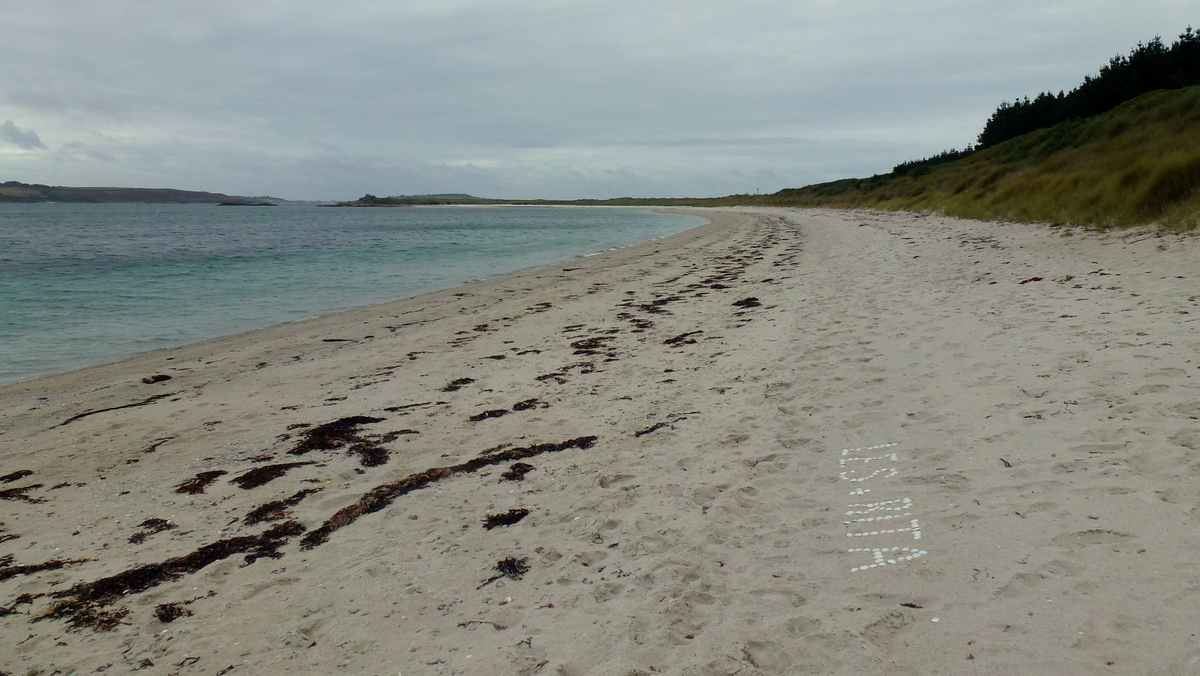
Photo: Pentle Bay, Tresco (10 September 2012) — Jonathan Billinger · CC BY-SA 2.0. Display may be cropped. Photo details.
Nature Guide
The Isles of Scilly are famous for their white sandy beaches and crystal-clear waters, but many visitors soon discover that the islands are also one of the UK's finest destinations for wildlife.
Located around 28 miles off the coast of Cornwall, this remote archipelago provides a haven for seabirds, Atlantic grey seals, dolphins, rare plants and an astonishing variety of migratory birds.
Much of the archipelago is protected through national and international conservation designations, helping to preserve its unique habitats for future generations.
Whether you're an experienced wildlife photographer or simply enjoy spotting animals during a coastal walk, the Isles of Scilly offer unforgettable encounters with nature.
Why Is Wildlife So Special Here?
The islands sit where the Atlantic Ocean meets the English Channel, creating an ideal environment for both marine and bird life. Their mild climate, unspoilt coastline and relatively low levels of development allow wildlife to thrive.
The surrounding waters support rich marine ecosystems, while the islands provide important breeding, feeding and resting sites for many bird species. This combination makes the Isles of Scilly one of Britain's premier wildlife destinations.
Atlantic Grey Seals
Perhaps the islands' most famous residents are the Atlantic grey seals. Hundreds live around the archipelago throughout the year, making the Isles of Scilly one of the best places in England to see them in the wild.
You'll often spot curious seals lifting their heads above the water to investigate passing boats or swimmers. During autumn, many pups are born on quiet beaches and rocky coves.
Popular places to see seals
- The Eastern Isles
- Around St Martin's
- Near Bryher
- Around Tresco
- Offshore rocks surrounding St Mary's
Visitors should always keep a respectful distance and avoid disturbing resting animals.
Dolphins
Several dolphin species are regularly recorded in the waters surrounding the islands. Common dolphins are the species visitors are most likely to encounter, although bottlenose dolphins occasionally appear too.
Boat trips sometimes experience dolphins swimming alongside the vessel, creating unforgettable moments for passengers. Summer and early autumn often provide excellent opportunities, though sightings can never be guaranteed.
Harbour Porpoises
Harbour porpoises are Britain's smallest cetaceans and are regularly seen around the Isles of Scilly. Unlike dolphins, they tend to surface quietly and are often recognised by their small triangular dorsal fin.
Patient observers may spot them while travelling on the Scillonian ferry or during island boat trips.
Seabirds
The Isles of Scilly are internationally recognised for their birdlife. Throughout the year you may encounter a wide variety of seabirds. Watching northern gannets plunge into the sea from impressive heights is one of nature's great spectacles.
Puffins
Although puffins are often associated with Scotland, small numbers breed on some of the uninhabited islands within the Scilly archipelago. Because colonies are sensitive and numbers vary, the best way to enjoy them responsibly is on a licensed wildlife boat trip that follows local wildlife guidance.
If seeing puffins is high on your wish list, late spring and early summer generally provide the best opportunity.
Rare Migratory Birds
The Isles of Scilly have achieved worldwide recognition among birdwatchers. Every autumn, bird enthusiasts travel from across Europe hoping to spot rare migrant species blown off course across the Atlantic.
Over the years, birds from North America, Siberia and continental Europe have all been recorded here — some of Britain's rarest bird sightings have taken place on these islands.
Marine Life
The surrounding seas are full of life. Rock pools around the islands are miniature ecosystems packed with colourful marine creatures, making them especially popular with families.
Wildflowers
The Isles of Scilly's mild climate allows many plants to flourish. In spring and early summer the islands burst into colour with coastal wildflowers, while sheltered gardens support many exotic and subtropical species. The famous Tresco Abbey Garden showcases thousands of plants from around the world that thrive in the islands' mild climate, where frost is rare but possible.
Common coastal wildflowers
By Island
Best Places for Wildlife Watching
St Mary's
- Coastal birds
- Seals
- Rock pooling
- Nature walks
Tresco
- Seabirds
- Coastal wildlife
- Abbey Garden
- Quiet beaches
St Martin's
- Seals
- Dolphins
- Snorkelling
- Crystal-clear water
Bryher
- Birdwatching
- Coastal walks
- Rugged scenery
- Marine life
The Eastern Isles
Accessible by organised wildlife boat trips, these uninhabited islands provide some of the best opportunities to observe seals and nesting seabirds while minimising disturbance to sensitive habitats.
Wildlife Boat Trips
Several local operators offer wildlife-focused excursions during the main visitor season. Conditions at sea change daily, so every trip offers a different experience. Trips may include opportunities to observe Atlantic grey seals, seabird colonies, marine wildlife and remote uninhabited islands.
Responsible Wildlife Watching
The Isles of Scilly are a protected natural environment. Visitors can help protect wildlife by following a few simple guidelines.
- Keep a respectful distance from animals.
- Never feed wildlife.
- Keep dogs under close control where requested.
- Take litter home.
- Remain on marked paths where appropriate.
- Follow advice from local guides and conservation organisations.
FAQ
Wildlife FAQs
Final Thoughts
The Isles of Scilly are far more than a beach destination — they are one of Britain's richest wildlife havens. From curious Atlantic grey seals and playful dolphins to internationally important seabird populations and colourful coastal wildflowers, the islands offer unforgettable encounters with nature in every season.
One of the joys of visiting Scilly is that wildlife often appears when you least expect it. A seal may pop up beside a quay, a pod of dolphins might accompany your boat, or a rare bird could be feeding quietly along a shoreline. These unexpected moments are what make the islands so special.
We encourage visitors to enjoy the islands responsibly, respecting wildlife and the protected habitats that make this extraordinary archipelago one of the UK's most important natural landscapes.
Last reviewed: June 2026
Editorial note: This guide has been independently researched by Isles of Scilly Compare using information from conservation organisations, official tourism resources and publicly available guidance. Wildlife is naturally unpredictable, so sightings can never be guaranteed. Always follow local advice and avoid disturbing animals, particularly during the breeding and pupping seasons.
Continue Reading
Compare All Travel Options
Ferry, Skybus and helicopter compared side by side.
Read moreFirst-Time Visitor Guide
Everything you need to know before your first visit.
Read moreTravel Calculator
Find the best option for your group and travel month.
Read moreFAQ
Practical answers about dogs, luggage, cancellations and more.
Read moreUseful next steps for this trip
Help the next visitor
Know this journey or place well? Share one practical tip, when you last checked it and your connection to Scilly or Penzance. We review facts and agree a public credit before publishing. Business interests must be declared.